Moving to Centennial, CO: Your Complete 2026 Guide
Moving to Centennial, CO: Your Complete 2026 Guide
Moving to Centennial CO appeals to many households seeking suburban space with metro access. According to U.S. Census QuickFacts, Centennial’s population reached roughly 108,000 in 2023, reflecting steady growth since incorporation in 2001. Located in Arapahoe County just south of Denver, the city spans around 29 square miles and includes neighborhoods near South University Boulevard, East Arapahoe Road, and South Parker Road. Understanding housing costs, commute patterns, schools, and recreation options helps incoming residents align expectations with Centennial’s actual 2026 lifestyle.
What Should New Residents Know Before Moving to Centennial CO?
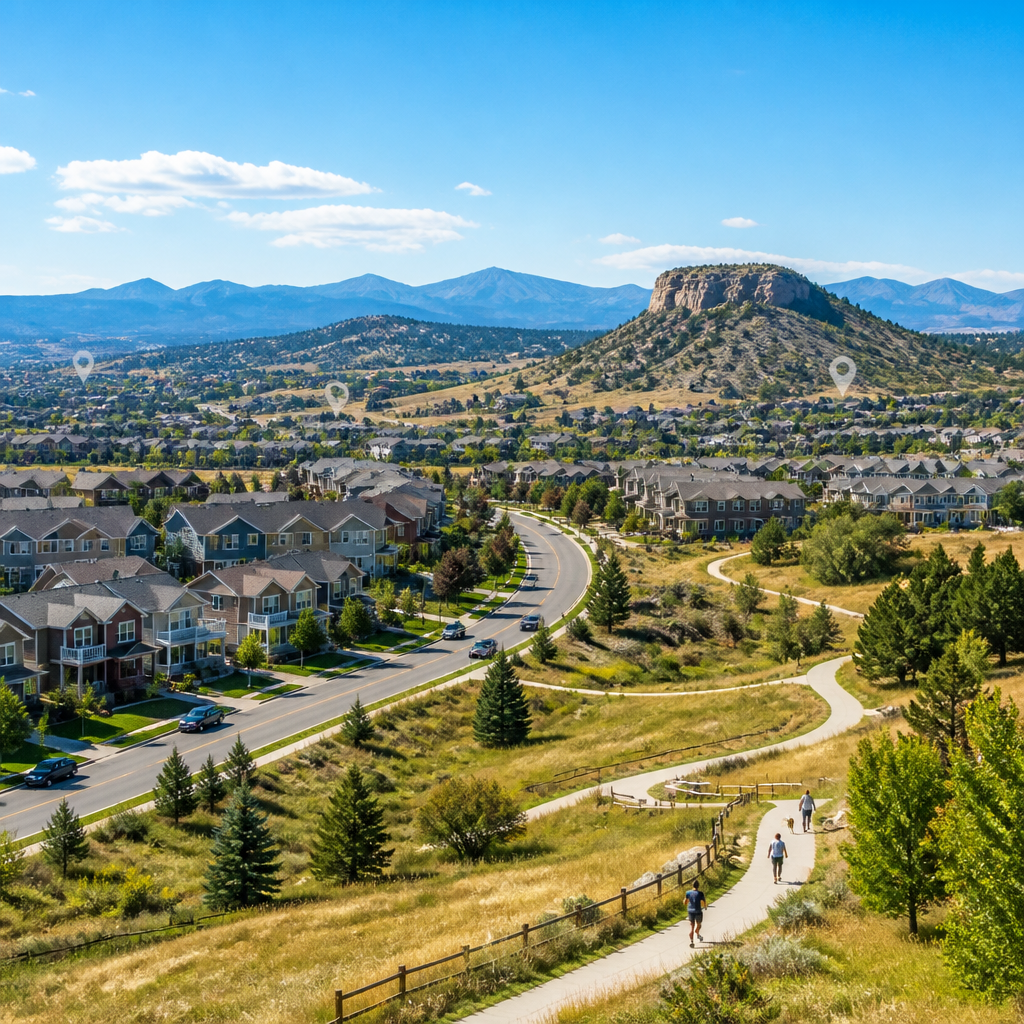
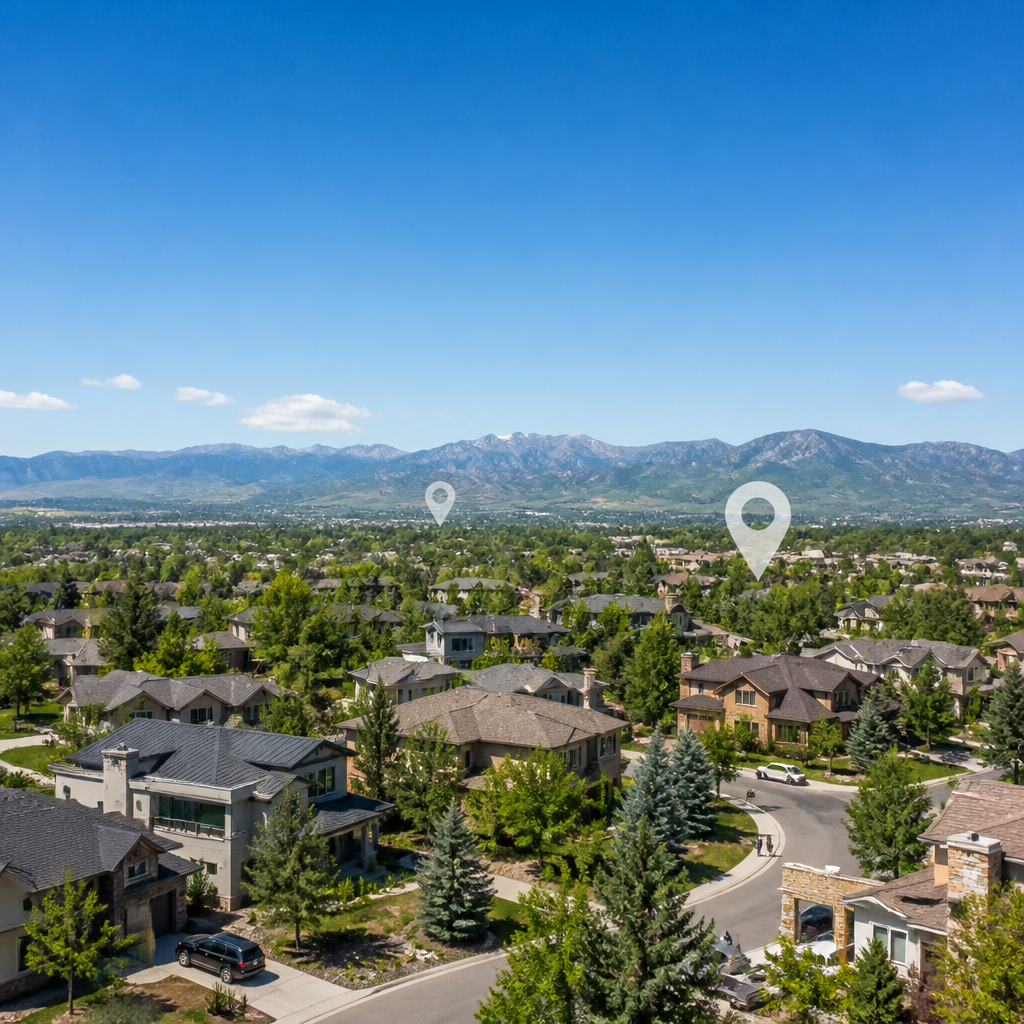
Centennial stretches from Cherry Creek State Park on the west to neighborhoods near Smoky Hill Road on the east, creating distinct micro-areas. The city’s median household income, based on 2022 data from U.S. Census QuickFacts, sits in the high five figures, supporting strong retail corridors like The Streets at SouthGlenn and the IKEA Centennial area along Interstate 25. Neighborhoods around South Holly Street and East Dry Creek Road tend to feature established subdivisions with mature trees, while newer developments cluster closer to E-470.
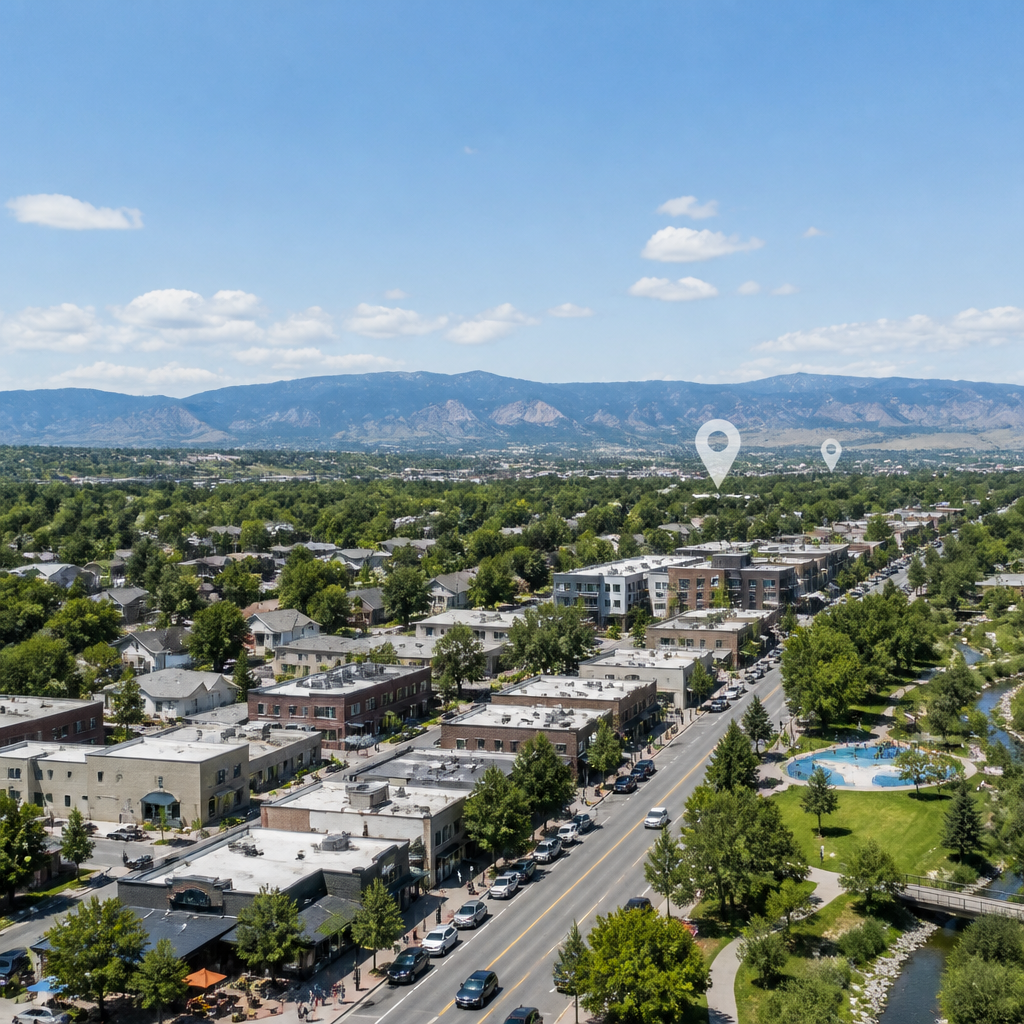
Walkability varies by pocket. According to Walk Score, Centennial posts an overall Walk Score in the low 30s, with some mixed-use nodes scoring significantly higher. Areas near The Streets at SouthGlenn, Southglenn Library, and nearby apartments can feel almost urban, with grocery stores, gyms, and cafes within a few blocks. In contrast, cul-de-sac neighborhoods near Willow Creek Park and Hunters Hill rely more heavily on vehicle trips for errands, though many destinations remain within a 10-minute drive.
Commuting patterns remain central for households moving to Centennial CO. The average one-way commute time for Centennial residents runs around 25–27 minutes as of 2022, based on Census QuickFacts. Proximity to Interstate 25, C-470, and E-470 offers multiple routes toward downtown Denver, the Denver Tech Center, and the Denver Tech Center’s business parks near Belleview Avenue. Many residents work in technology, healthcare, aerospace, or professional services clustered along the I-25 corridor.
How Do Housing Options and Costs Compare in Centennial?
Housing choice forms a major part of any decision around moving to Centennial CO. According to Redfin data for late 2025, most closed single-family sales in Centennial fall in a broad range between $550,000 and $850,000, depending on neighborhood, square footage, and renovation level. Townhomes and smaller paired homes near South Quebec Street or East Dry Creek Road often list in the $450,000 to $600,000 range, giving move-up buyers and downsizers additional options beyond classic detached houses.
Condominiums and apartments provide entry-level and flexible housing. Based on late 2025 rental surveys from Apartments.com, one-bedroom units in Centennial generally lease between $1,500 and $1,900 per month, while two-bedroom units often range from $1,900 to $2,400, depending on age, finishes, and amenities. Complexes near County Line Road, Dry Creek light rail station, and Park Meadows mall frequently command higher rents, supported by transit access and proximity to major employers.
Evening walks along the greenbelts near Willow Creek Park highlight Centennial’s residential character in a visceral way. Sprinklers hiss softly across neatly edged lawns, while the smell of grilled food drifts from back decks along South Yosemite Street. Porch lights glow against mature cottonwoods, and the faint hum of traffic from C-470 contrasts with crickets in the grass. Passing townhomes near the Willow Creek Trail under soft LED streetlamps reveals how closely daily life here blends suburban quiet with metro convenience.
What Are Commute, Transit, and Connectivity Like in Centennial?
Centennial sits at the crossroads of several major transportation routes. Interstate 25 runs north–south along the city’s western edge, while C-470 and E-470 loop around the southern and eastern sides. According to Denver South Economic Development Partnership, the corridor from Hampden Avenue to RidgeGate hosts more than 250,000 jobs within a short drive. Many Centennial residents commute 10–15 miles to office parks near Belleview, Orchard, and Arapahoe light rail stations, balancing highway access with suburban living.
Public transit options center around Regional Transportation District light rail and bus routes. The E, F, and R lines serve nearby Dry Creek and County Line stations, with service patterns detailed by RTD. Travel times from Dry Creek Station to downtown Denver’s Union Station typically range from 35 to 40 minutes outside peak disruptions. RTD bus routes connect neighborhoods along South University Boulevard, South Peoria Street, and Smoky Hill Road to park-and-ride lots, giving non-drivers structured access to the broader Denver region.
Driving times to major anchors remain another critical factor in moving to Centennial CO. Under typical off-peak conditions, trips from central Centennial to downtown Denver run about 16–18 miles and often take 25–30 minutes via Interstate 25. According to mapping estimates compiled in late 2025 by Google Maps, Denver International Airport sits roughly 30–32 miles northeast, translating to 35–45 minutes depending on E-470 toll usage and traffic. Access to both DIA and Centennial Airport broadens regional and national connectivity.
How Strong Are Centennial’s Schools, Parks, and Family Amenities?
Public schools rank among the most common motivations for moving to Centennial CO. Much of the city lies within Cherry Creek School District, with notable campuses such as Cherry Creek High School in nearby Greenwood Village and Grandview High School near East Arapahoe Road. According to GreatSchools, Cherry Creek High holds a rating in the upper range of 8–10 out of 10, reflecting strong college readiness metrics and advanced coursework options. Additional elementary options include Trails West Elementary and Dry Creek Elementary.
Parks and open spaces contribute heavily to Centennial’s day-to-day livability. Centennial Center Park near East Arapahoe Road provides a large splash pad, amphitheater, and climbing areas set against Front Range views. Cherry Creek State Park borders the city’s northwest edge, offering a 880-acre reservoir, multi-use trails, and camping opportunities. According to Colorado Parks and Wildlife data referenced on CPW’s Cherry Creek page, trail networks around the reservoir cover more than 35 miles, supporting cycling, running, and dog walking.
Weekend mornings around Centennial Center Park often illustrate local family life through small details. The sound of children racing across the splash pad echoes between the concrete terraces, while food truck grills release the scent of tacos and roasted coffee toward East Peakview Avenue. Parents rest on warm stone benches beneath fluttering shade sails, watching the Rocky Mountains shift in color beyond the playground towers. The buzz of traffic from nearby South Revere Parkway mixes with laughter, giving the park an energetic but relaxed atmosphere.
What Lifestyle, Dining, and Recreation Options Define Centennial?
Local dining in Centennial clusters around several corridors. The Streets at SouthGlenn along East Arapahoe Road offers restaurants, a movie theater, and shops surrounding an ice rink and lawn. Establishments like Snooze an A.M. Eatery and Bad Daddy’s Burger Bar attract breakfast and casual dining crowds. Farther east near South Parker Road, ViewHouse Centennial provides rooftop-style seating facing the mountains, while Topgolf Centennial combines entertainment and dining in a three-tier driving range facility. These hubs allow residents to enjoy evenings out without lengthy city drives.
Recreational fitness options extend beyond traditional gyms. The South Suburban Parks and Recreation system operates facilities near DeKoevend Park and Goodson Recreation Center, supporting lap swimming, fitness classes, and indoor courts. According to program information from South Suburban Parks and Recreation, annual pass pricing typically falls in the mid-$400 to low-$600 range for adults, with discounted youth and senior rates. Trails along the High Line Canal and Little Dry Creek create continuous routes linking Centennial to neighboring Denver, Littleton, and Greenwood Village.
Craft beer and coffee culture have grown steadily across the south metro. Dry Dock Brewing Co. South near East Arapahoe Road anchors one corridor, while local cafes on South University Boulevard provide study and remote-work spaces. According to community rankings compiled by Niche in 2025, Centennial receives high marks for family-friendliness and outdoor activities, with scores in the A range for public schools and housing. This mix of amenities underpins the city’s appeal to professionals, retirees, and multigenerational households alike.
How Can Newcomers Strategically Plan a Move to Centennial CO in 2026?
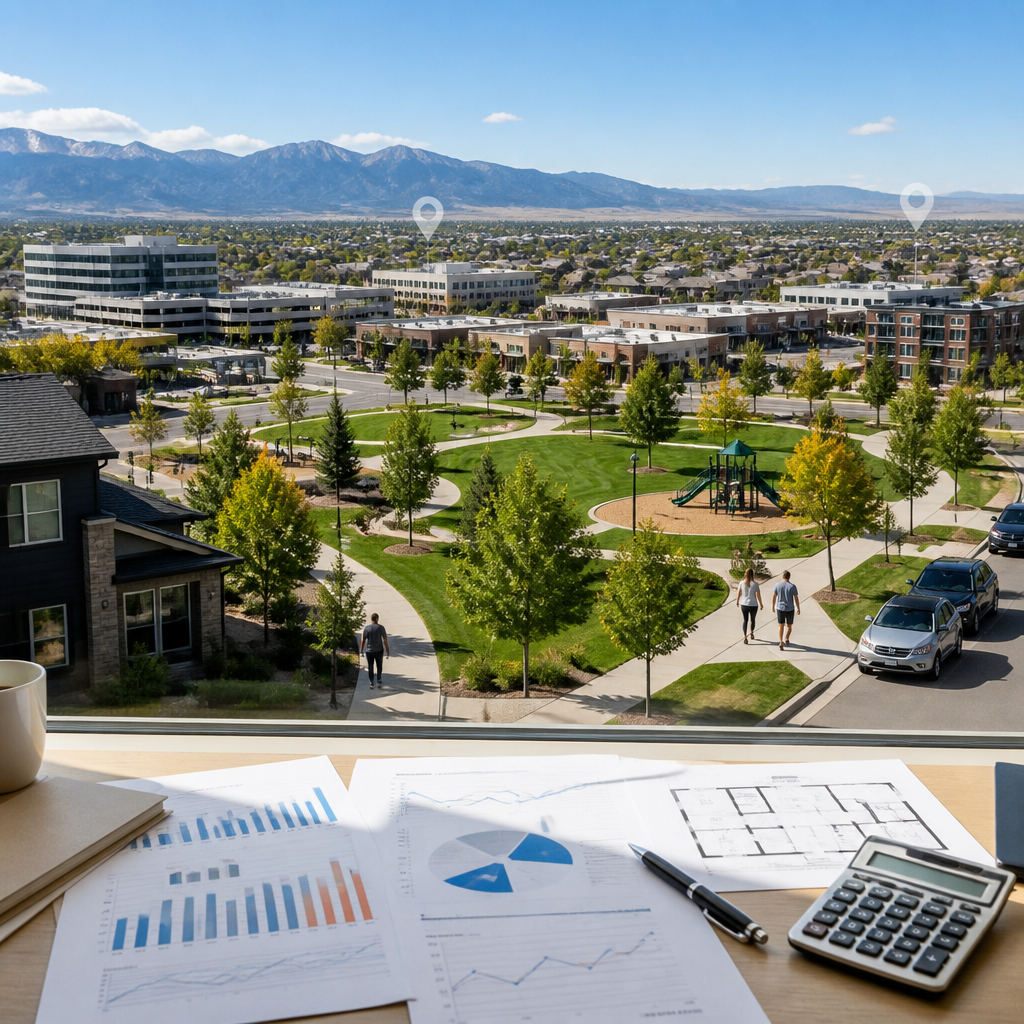
Strategic timing plays a major role in moving to Centennial CO. According to late 2025 market summaries from Redfin, Centennial’s housing inventory often tightens in late spring, with months of supply hovering near 1.0–1.5 in competitive price bands. Many buyers target school calendar transitions, so listing activity tends to rise between March and June. Rental availability near key corridors like South Yosemite Street and Smoky Hill Road also fluctuates seasonally, with summer often bringing faster turnover.
Budgeting should account for property taxes, insurance, and potential homeowner association dues. Arapahoe County’s effective property tax rate typically falls around 0.5–0.6 percent of assessed value as of 2024, based on estimates from the Arapahoe County Assessor. For a home purchased at $700,000, that can translate into roughly $3,500 to $4,200 annually before any special assessments. HOA fees in master-planned communities near E-470 sometimes add another $75 to $200 per month, depending on amenities like pools and clubhouses.
Many newcomers also evaluate how Centennial fits into longer-term lifestyle plans. Proximity to Denver Tech Center jobs, mountain access via Highway 285 or Interstate 70, and cultural venues in downtown Denver provide flexibility over a 5–10 year horizon. School-aged households often weigh feeder patterns into Cherry Creek High School, Grandview High School, or Eaglecrest High School in neighboring Aurora, paying close attention to boundary maps and potential future capacity discussions tracked through district board meetings and planning documents.
The 108,000-population figure cited at the start of this guide reflects Centennial’s evolution from a cluster of suburbs into a cohesive city with regional significance. That same growth statistic from the opening underscores the importance of understanding housing, transit, and school dynamics before committing to a 2026 relocation. The City of Centennial website offers ongoing updates on capital projects, parks, and development applications that shape neighborhood choices. Buyers who register search alerts early in spring and schedule in-person tours within 48 hours of promising listings ahead of the late-May activity surge typically secure stronger positions, while those delaying decisions into late summer often face reduced selection and firmer pricing.
Categories
Recent Posts